Airnergy
A mobile game powered by your real electricity meter. The less you use, the lusher the city you're building. Behavior change through play, not guilt.
Make the electricity bill a game controller.
In 2014, behavior-change apps were mostly nagging — graphs telling you to use less, shame screens, badges. Airnergy went the other direction: connect a household's smart-meter data to a virtual city the user is growing. Run the dryer less this week, the sky in your city clears. Forget to unplug, the air gets visibly worse.
The point wasn't the dashboard. It was the feedback loop — a real-world action with a small, beautiful, immediate consequence in something the player already cared about.
Your city is the score.
Three states of the same skyline, driven by the same household over different weeks of energy use. No charts; the picture is the chart.



A small game, played in pockets of free time.
A loop from the prototype — your garden growing, the skyline shifting, the little gestures and animations that made the mechanic feel like play.
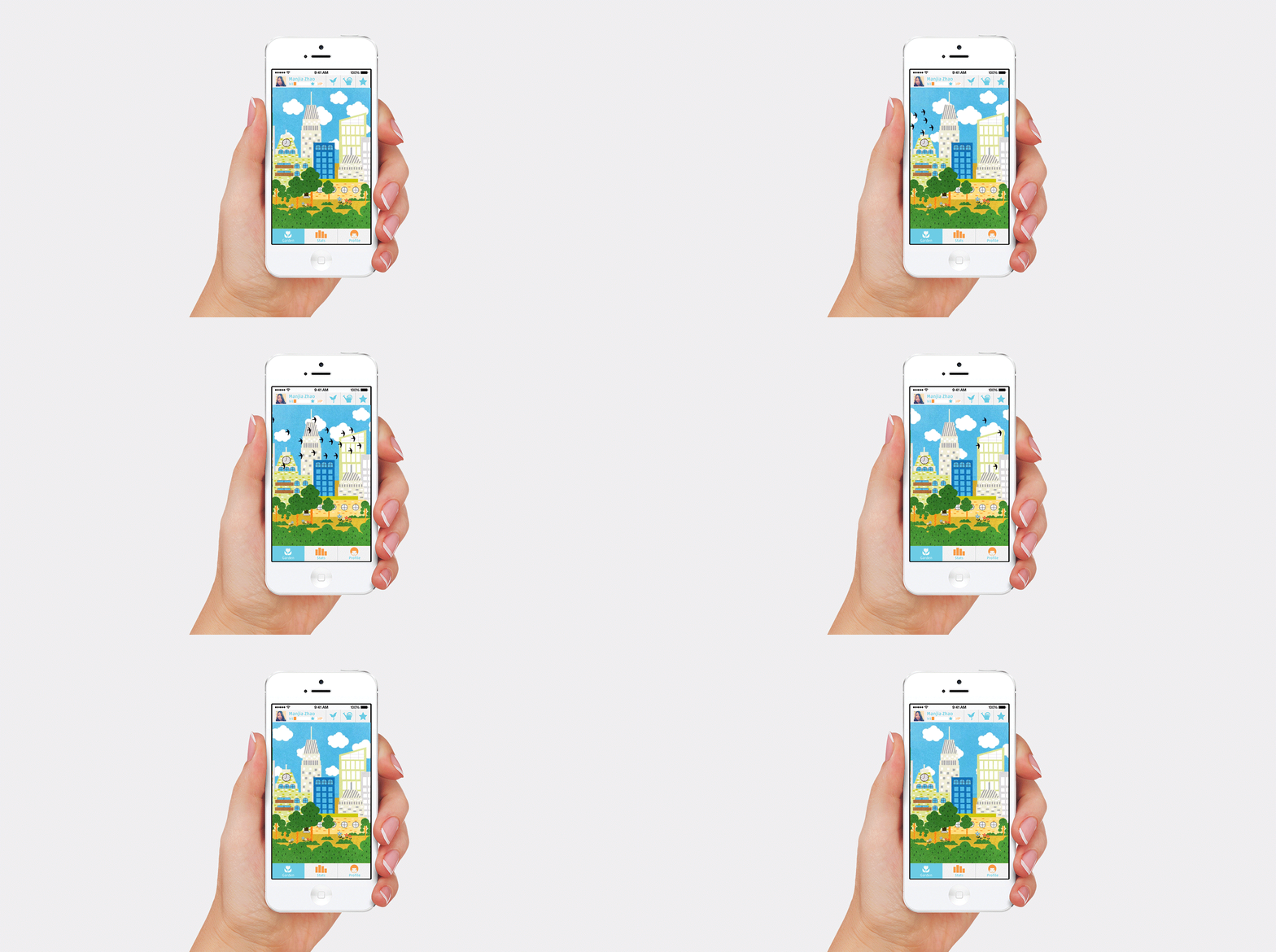
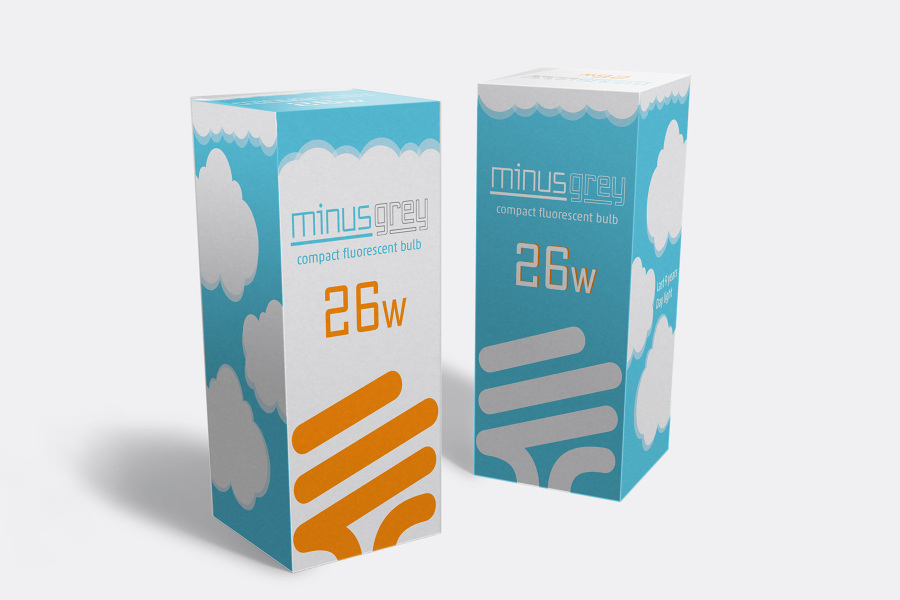
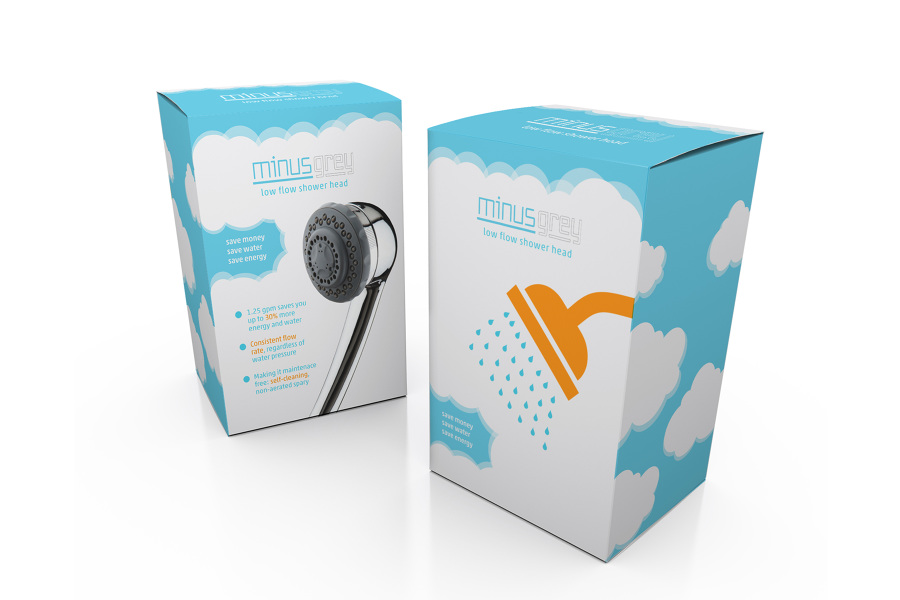
Airnergy was one piece of a brand called minus grey.
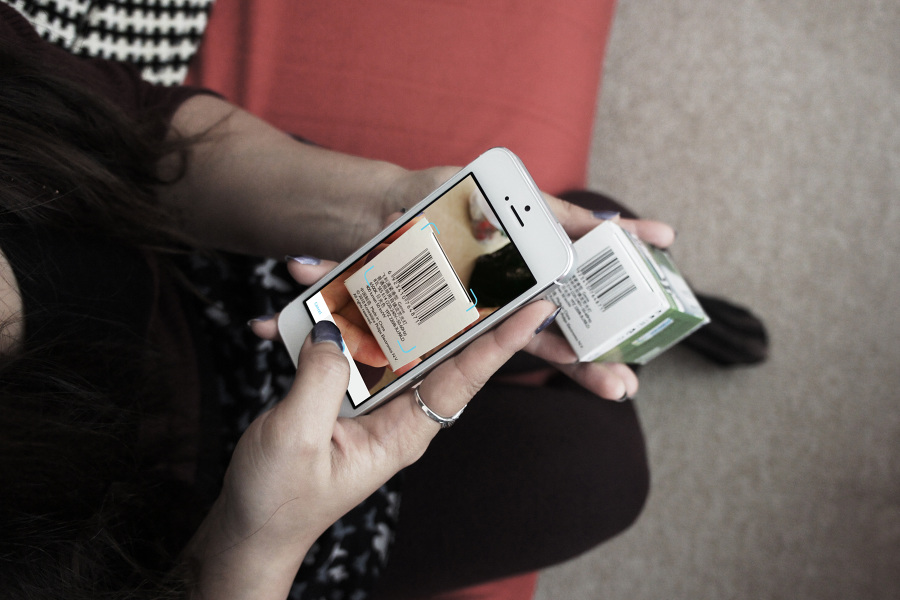
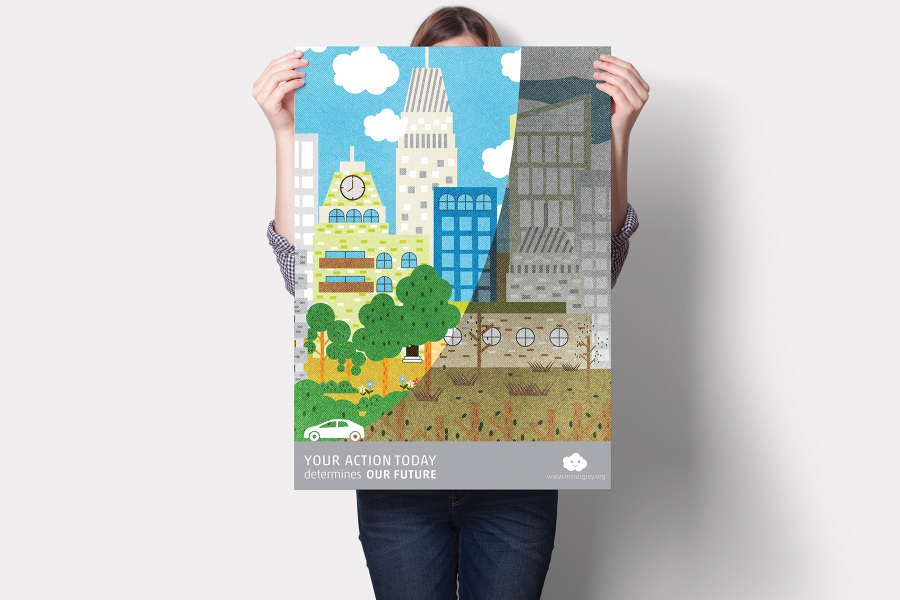
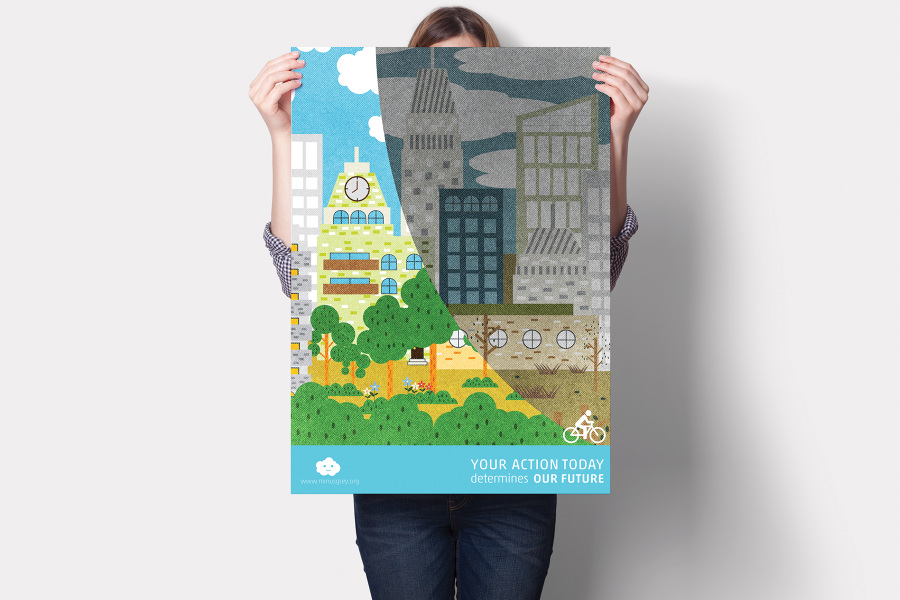
The app was the entry point. Around it sat a small system of products and campaigns — packaging for low-energy goods, posters for the cause, and an in-app barcode scanner for checking everyday products against their energy footprint.

Behavior change through delight, not guilt — that principle aged better than the screens did. It's why this one's still on the shelf.